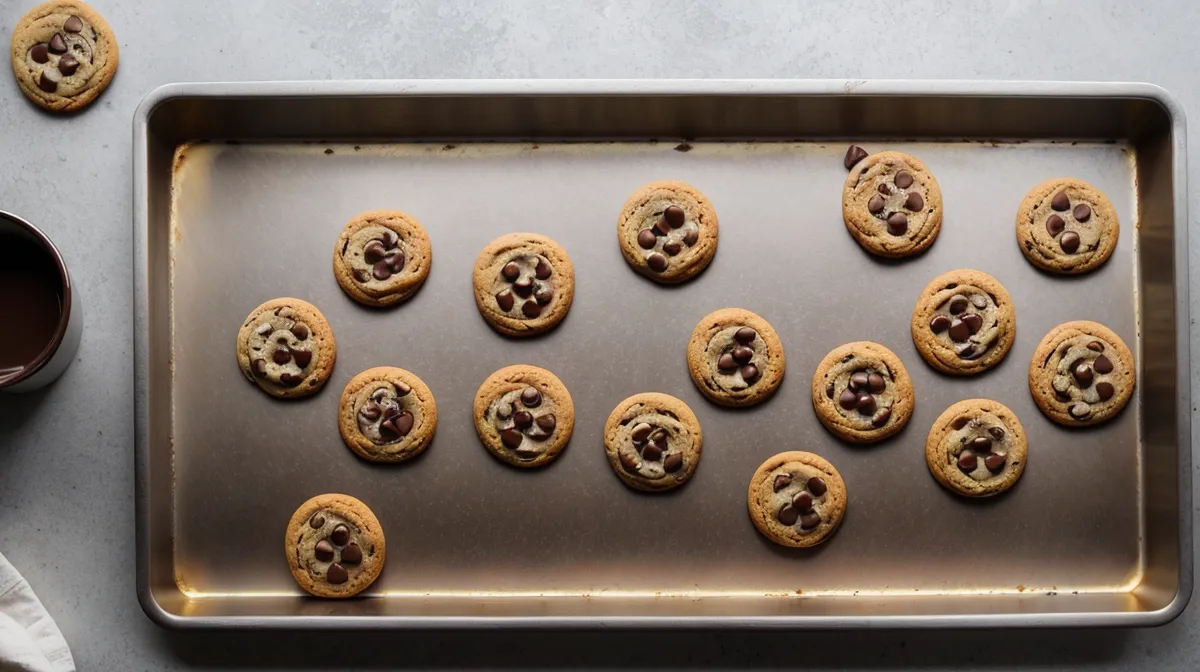
A Vitamix jar doesn't need a shake to keep going — the blade finds a frozen banana mid-blend and turns it to silk without any help from me. A cheap silicone baking mat needs constant babysitting: peel it a minute too soon and half of it stays glued to the pan. That gap between kitchen gear that just works and gear that fights you is the reason I run my Vitamix daily and still treat baking essentials — the mats, the parchment, the stuff that costs less than dinner out — as fair game for the same kitchen testing I put my premium cookware through, and lately that meant putting a real silicone baking mat up against the fiberglass-mesh kind I've been buying for years.
Quick disclosure before any of that: most kitchen brand links on ChefsPost run through affiliate tracking, and if a Vitamix, KitchenAid, or All-Clad purchase happens after you click one, I earn a commission at no extra cost to you. Nothing gets linked here unless it's lived in my kitchen long enough for me to have a real opinion about it — I pay for my own gear and I'm stubborn about testing it before I trust it.
Two Kinds of Kitchen Engineering, One Ruined Batch
A ruined batch of lace cookies is what started this particular testing round. I peeled them off a stained, fraying mat that had finally given up, and it left a ghostly film of silicone residue across my favorite All-Clad D3 sheet pan — the kind of moment that makes you rethink the cheapest thing in the kitchen instead of the most expensive. All-Clad pans earn their keep because the tri-ply construction heats evenly clear to the edges, which is rarer than it should be at that price. Setting a five-dollar mat on top of that kind of engineering doesn't make sense once you've felt the difference, which is the same price-versus-performance math I run every time I weigh a full-price pan against a budget stainless clone — the gap is real, but it doesn't show up until you've used both for a year.
Months of that, on and off. Six years of buying, returning, and rebuying kitchen gear taught me not to trust an impression after one bake, so I ran the GIR mat against my old fiberglass-mesh standard and a stack of parchment for six weeks, back-to-back sheet after back-to-back sheet, before I let myself draw a conclusion.
How Heat Actually Moves Through a Baking Surface
Most silicone mats you'll find, including the classic Silpat, have a visible fiberglass mesh core running through them for rigidity. After a year or two of heavy use those edges start to fray, and if you've ever found a hair-thin glass fiber in a kitchen drawer, you already know why I went looking for something else. The GIR mat is solid pharmaceutical-grade silicone instead, no mesh, and it sits heavier in the hand. Thermal control works differently in a mat than it does in a stainless All-Clad pan — a pan needs the right preheat and a light touch on the burner, while a mat's whole job is buffering whatever heat is already coming off the sheet pan underneath it. It's the same question of how much heat a silicone coating can actually tolerate that comes up with spatulas resting against a hot pan, just working at oven scale instead of stovetop scale.
Heat moves through a baking surface one of two ways: it conducts straight through a thin layer, or it gets buffered by a thicker one. Parchment is thin enough that it barely interferes — the pan's own hot spots come through almost unfiltered, which is why the back-left corner of a sheet pan in an older oven often runs darker than the rest. A thick silicone mat acts more like insulation with a delay: it absorbs heat from the pan first and releases it more evenly across the surface, which is exactly why a double batch of ginger snaps came out matching, edge tray to center, instead of scorched in one corner. That evening-out effect shows up most clearly in the Maillard range, the browning that happens roughly between 280 and 330 degrees Fahrenheit — a thicker mat keeps more of the surface inside that window at once instead of letting one corner spike past it while the rest lags behind.
The Silicone Mat Wins Batches, Parchment Still Wins Crust
There's a real trade-off here that doesn't get said out loud enough: silicone mats give more consistent browning across four sheets baked back-to-back, because the mat holds its temperature between batches instead of resetting with a fresh sheet of parchment. What you give up is a little bottom-crust crispness — parchment lets more moisture escape, silicone traps a bit of it. For most drop cookies that trade is worth it. For something that needs a shatter-crisp base, parchment still wins. And for slow, moisture-heavy cooking, a mat isn't even the right tool to reach for — a Magnifique claypot holds steady heat around a braise better than any sheet pan setup ever will, mat or not, and I don't confuse the two jobs.
I've also pressed the mat into service as a hand-shaping surface for bread dough, back when my ShopKitchenAid Pro 5 Plus was still mid-knead on a heavy loaf and I needed somewhere else to work. That mixer is the one that actually handles stiff dough without bogging down the way a lighter tilt-head model can, which is the whole case for dough development happening in a bowl-lift machine — and the attachment ecosystem is part of why it earns counter space it never gives back; I use the pasta roller often enough that it's basically a second appliance.
Testing It Past the Point Cheap Mats Fail
The cheap mat's real failure showed up in the oven, not on the counter. I left one in during a high-heat self-cleaning cycle last year by accident, and it melted into a sticky mess I had to scrape off the rack. A GIR mat put through the same mistake came out discolored but structurally intact — food-grade silicone is generally rated stable somewhere between 450 and 500 degrees Fahrenheit, and GIR specifically rates its mats to 425, numbers that held up even under conditions well past normal baking use. That gap between "melted" and "discolored but intact" is the whole argument for paying more for the material.
Precision shows up everywhere in this kitchen, not just in ovens. An instant-read thermometer I bought years ago had a six-second lag I didn't catch until I'd pulled a pork loin at what read as 137 degrees instead of the 145 it actually needed — a mistake that has nothing to do with baking mats and everything to do with why precise doneness temperature is worth paying for in whatever tool is doing the measuring. It's the same instinct that has me checking a chef's knife's edge retention every few weeks and sending it out for proper edge maintenance before it fails mid-prep instead of after. If you're already leaning on a Best Sourdough Baking Tools for Home Cooks After Months of Baking setup, you know heat management runs through everything, which is why I've lined the bottom of my oven with the GIR mat under a high-hydration loaf baked in the Challenger Breadware when it's prone to dripping — at nearly 22 pounds for the lid and base together, scrubbing burnt flour off the oven floor with that much cast iron still sitting on the counter is not how I want to spend a Sunday.
Who Should Buy This Mat, and Who Should Skip It
Whether this is worth it comes down to how you actually cook, not just whether you like the idea of it: if you bake weekly, it's an easy yes, and if you bake once a year for the holidays, it isn't. A hobbyist who's in the oven every weekend will make back the cost in parchment saved and cleanup time alone. It's a natural fit for the same person who already matches their Vitamix container to the size of the batch they're actually making instead of grabbing the biggest jar out of habit — someone who wants that same precision applied to a cookie sheet.
My husband Joel does the dishes in this house, and that gives him an unofficial veto on anything that doesn't fit the sink. An 18-by-13-inch mat is genuinely awkward in a smaller basin (mine gets a quick wipe with a damp cloth and dish soap more often than an actual wash), and that's a real mark against it for anyone without a deep sink or a dishwasher rack it fits into cleanly.
Testing at my own pace — once a week — doesn't catch everything a mat can fail at, which is part of why I'll occasionally hand one to Brennan Strickland, a fellow home cook from Madison's community kitchen co-op who cooks at a volume my schedule never reaches, and ask what wears out first. Long stretches of real use at that pace tell you things a few weekends of testing never will.
The Verdict After Six Weeks Side by Side
Six weeks of testing left the GIR mat in the drawer I keep for essentials, next to the Pyrex bowl that never leaves my counter. It earns that spot by solving one specific problem — uneven browning in a home oven that runs hot in one corner — better than a five-dollar mat or a fresh sheet of parchment can. If you bake at least weekly, buy it and don't look back; if baking is a once-a-year holiday project, keep buying parchment and put the money toward something you'll use more. The lesson that stuck with me past this one mat: judge inexpensive-feeling gear by whether it survives real repeated use, the same standard I'd apply to anything with a bigger price tag. For more on rounding out a baking setup, I've also written up the Best Bread Pan for Sourdough After Using the Challenger Breadware and the Premium Blender Comparison if you're still deciding on that Vitamix upgrade.