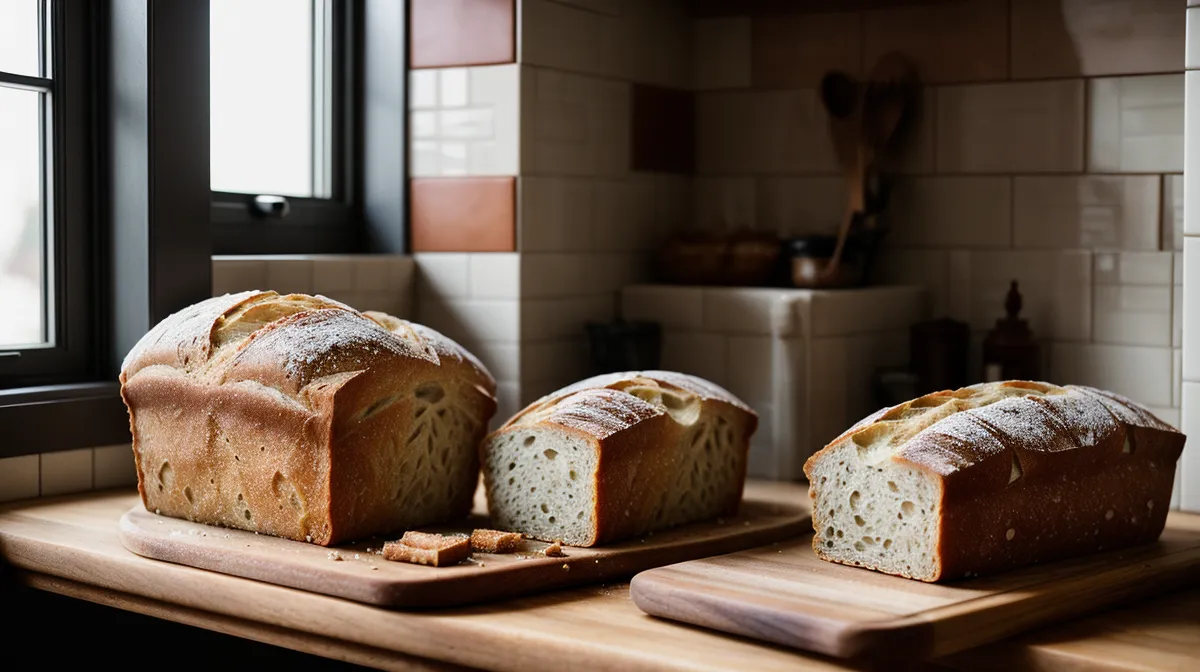
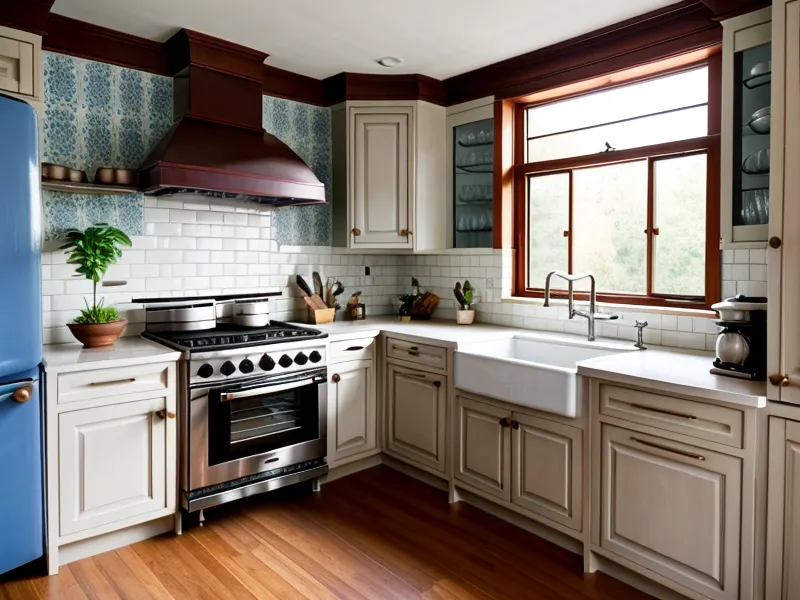
Four tools account for nearly every loaf that comes out of my oven, and the $400 stand mixer on my counter isn't one of them. That's the kind of thing you only figure out after buying more sourdough gear than any home cook actually needs. My galley kitchen — subway tile left over from the renovation, a window over the sink that gives flat, even light no matter the hour — has turned into the place where every piece of kitchen essentials and premium cookware I buy for home baking gets tested before it earns a permanent spot. The butcher-block island has heat rings and flour ghosts worked into the wood at this point, which tells you more about what actually gets used than any price tag does.
None of this is about brand loyalty. It's about matching a tool to how often you actually bake. That's the same question whether we're talking about a $700 blender or a $10 bench scraper — the price only matters relative to how hard you work the thing afterward.
Do You Need the Challenger, or Does Your Dutch Oven Already Do the Job?
My old 5.5-quart Dutch oven has baked more loaves than any specialty pan I own. It's still the piece I'd replace first if it cracked. I compared it directly against the Challenger Bread Pan a while back — the full breakdown is in my Best Bread Pan for Sourdough After Using the Challenger Breadware — and the short version is that a heavy enameled pot gets you most of the way to the same crust without a second piece of cast iron taking up cabinet space. I still preheat mine at 500°F, and thermal shock is real: a cold loaf dropped into a pot that's been sitting empty in a 500-degree oven too long can crack the enamel, a lesson I only needed once.
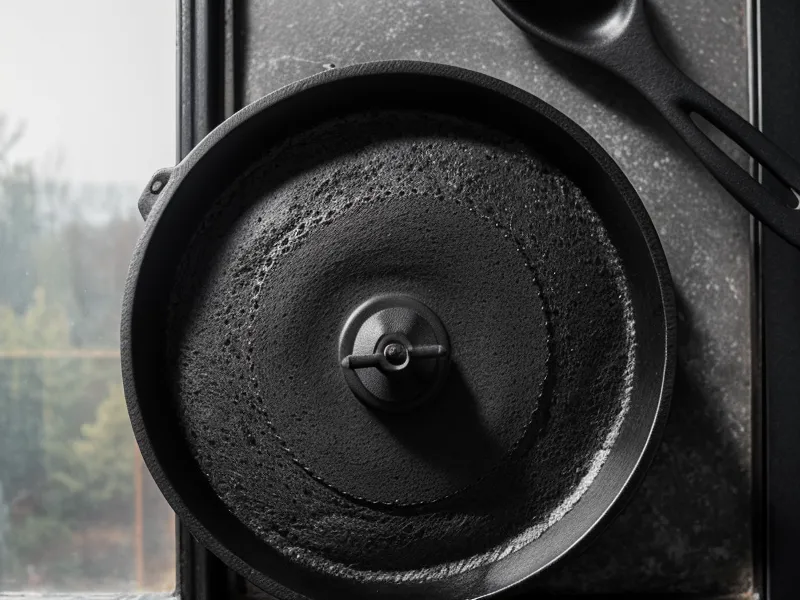
That same logic is why my All-Clad pieces live on the pot rack over the island instead of in a drawer. The gap between a real All-Clad pan and a budget clone is genuine, but it's a gap in thermal control, not magic, and it's not always worth the full premium once you already own something that holds heat evenly. I notice it every time a cold pan first touches the gas burner — a thin, almost metallic ping as the metal expands against the grate. Pick the Challenger if you're baking three or more loaves most weekends and the round shape is genuinely limiting you. Otherwise, the enameled pot you already own is doing ninety percent of the job for free.
Ten dollars, well spent. That's the bench scraper and the digital scale that measures in single grams — two flat-cost tools that do more for consistent dough than almost anything else on this list, no premium-versus-budget debate required. The only real annoyance is a scale that shuts off automatically after thirty seconds of sitting idle, which happens more often than I'd like mid-stretch-and-fold on a Wednesday morning.
Proofing Basket or Deli Container: The Unglamorous Winner
Rattan bannetons look better in photos, and for a while that was reason enough for me to keep buying them. High-hydration dough sticking to a cheap linen liner tears the skin right off a loaf, undoing hours of shaping in about two seconds. Somewhere between one sticky disaster and the next, I started proofing in large plastic deli containers instead, dusted with rice flour. The dough came out with a smoother, more supple skin that scored cleaner, since plastic doesn't pull moisture off the surface the way rattan does. You can also watch the fermentation bubbles build through the clear sides, which matters more than the flour-ring pattern once you actually care about timing the bulk ferment correctly.
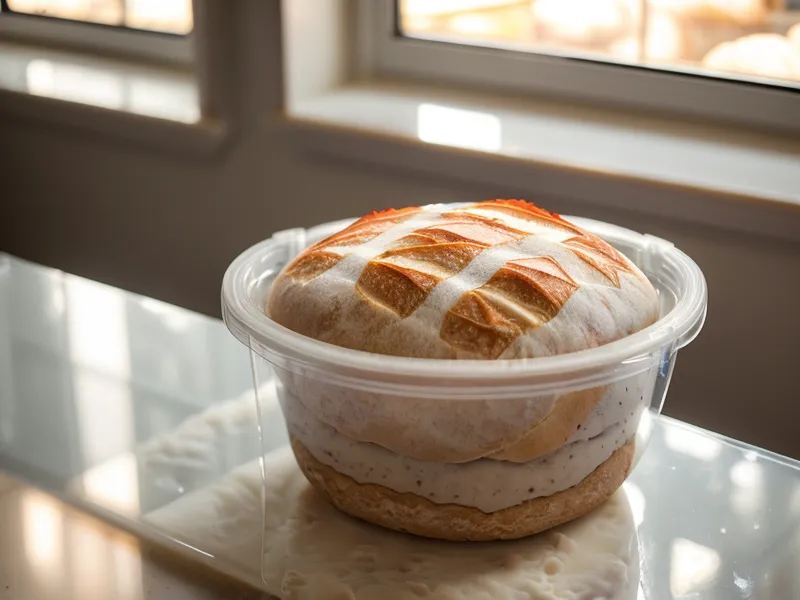
Buy the basket if the ring pattern matters to you and you're willing to baby a linen liner. Skip it if you just want dough that releases cleanly and a container you can toss in the dishwasher afterward — the deli container wins that argument every time in my kitchen.
Whose Sourdough Actually Needs a Stand Mixer?
Kneading by hand and kneading by hook get you to the same place: a windowpane of dough thin enough to see light through. Most of what people call "mixer tooling" in sourdough really comes down to how much of that structure-building work you want to hand off. My choice of stand mixer matters most during that initial mix and barely at all after, since the dough hook attachment sees far less use once a starter's doing the heavy lifting on its own schedule. It's the pasta and sauce attachments that actually justify the Pro 5 Plus sitting on my counter.
A reader named Deirdre Tolliver emailed me after that same mixer piece, trying to decide between the Pro 5 Plus and the Professional 600 for a condo kitchen with low clearance over the counter (older condos trip up more mixer shopping than people expect). It took a few back-and-forth emails to get to the real question, because her use case was narrower than most — she bakes almost exclusively sourdough and rye, no cookies, no cake — and that kind of specificity changes the math. A mixer that's overkill for someone who bakes everything is often exactly right for someone who bakes one thing very well, which is why a blanket "best mixer" recommendation rarely holds up.
Where a Good Knife Actually Matters
A knife's real test isn't how it looks in a block. It's what happens when it meets a ripe tomato with nothing behind it but its own weight — a single flat pass through the skin, no sawing, no pressure from my hand at all. That's edge-retention in its most honest form, and it's the same quality that decides whether my knife slices a cooled sourdough loaf clean through the crust or tears the crumb apart underneath it. I don't bother with a dedicated bread knife the way some home bakers do; a serrated edge helps, but a knife that's actually sharp matters more than the tooth pattern stamped into it. Keeping that edge is a separate habit from buying it in the first place. I run mine across a sharpening stone often enough that it never gets the chance to go properly dull, which is a smaller, more boring commitment than most people expect edge-maintenance to be.
Premium Cookware That Doesn't Belong to Sourdough
Plenty of what fills my kitchen has nothing to do with bread, and it's worth being honest about which is which. Silicone spatulas are the clearest example of coating-heat-tolerance mattering more than price. A set of Dollar Tree spatulas I bought early on turned brownish and went stiff after one round of high-heat caramel, which taught me that cheap silicone and real heat don't mix, sourdough or otherwise. A wireless probe thermometer earns its place for a roast or a smoked shoulder, but I don't reach for one on a loaf. Doneness on bread comes down to color and sound, not a number climbing toward a target.
My Vitamix Ascent is the same story from a different angle. It earns its keep because I run it almost daily, and because matching the container to the batch size actually changes how evenly it blends — neither of which has any bearing on a sourdough schedule. The same goes for a silicone baking mat: useful for conduction under cookies, irrelevant under a Dutch oven. None of this gear is bad. It's just not sourdough gear, no matter how often it gets bundled into the same shopping list.
What Should Actually Land in Your Kitchen First?
I brought a loaf to a gathering at Tenney Park picnic area last month, and Audrey Cantwell — a friend since college who now designs landscapes for a living and has never once let me hedge on anything — asked which piece of gear I'd actually tell someone to buy first. Not the whole list. One thing. She's like that; she'll sit with a question until you commit to an answer instead of listing pros and cons at her.
The honest answer is the Dutch oven you already own and a bench scraper if you don't have one yet, since both show up in nearly every loaf regardless of skill level or budget. Everything past that depends on how often you bake and what's already sitting on your counter. If you're turning out three loaves a weekend, the specialty vessel and the premium mixer start paying for themselves. If sourdough is one Saturday project among several, the ten-dollar tools and the pot you already own will get you a better loaf than any upgrade will. And if you want your other premium cookware to survive the flour storm along the way, my How to Clean All-Clad Pans to Keep Stainless Steel Looking New piece covers the part nobody enjoys thinking about until the pan's already stained.