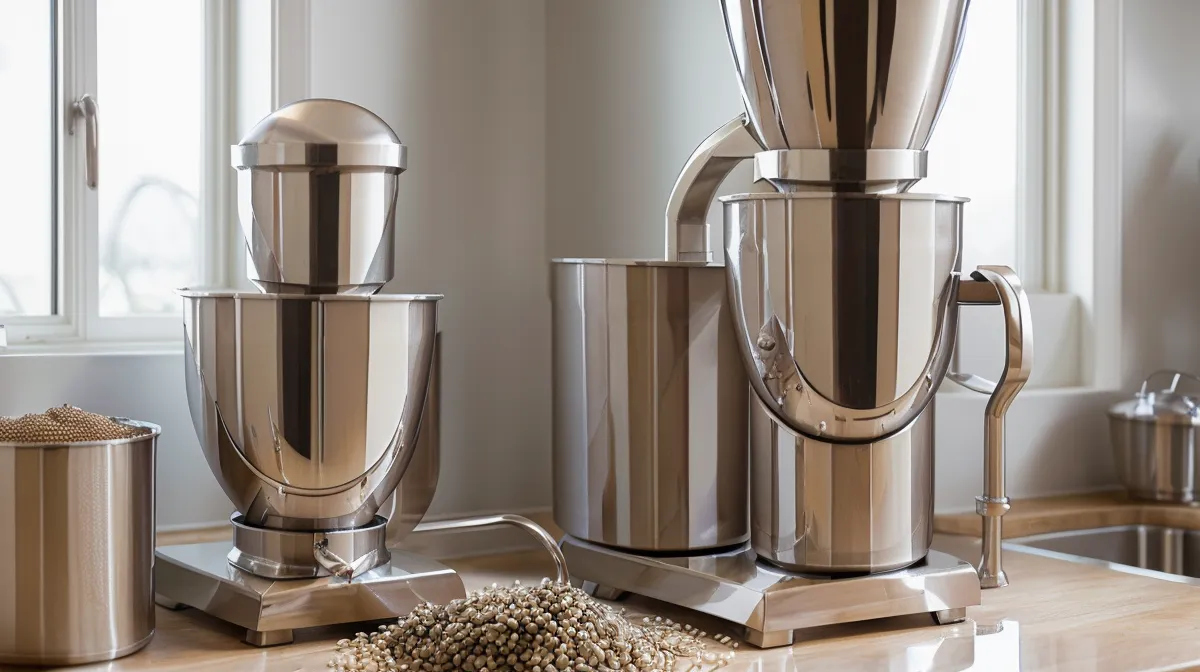
The number on a grain mill's dial tells you less than most people assume about the flour that comes out the other side. Most people shopping for a flour mill attachment for their KitchenAid — or any baking tool that promises better bread through home milling — assume the answer is obvious: set it to fine, get fine flour, done. I believed that too, for longer than I'd like to admit, and it's the biggest misconception floating around home-milling forums right now.
Not the nutty smell fresh wheat berries have when they're ground. What I got instead was a flat, cardboard staleness — the kind store flour develops sitting on a shelf too long, which is exactly what pushed me toward a KitchenAid All-Metal Grain Mill in the first place. Not a search for the "best" flour, just flour that hadn't already lost its edge before it reached my mixing bowl. It solved that problem on the first batch. What it didn't solve, and what nobody selling these attachments tends to mention, is what happens once you start chasing the finest setting on the dial.
Why Finer Isn't Always Better Flour
Here's the myth: that the highest number on a mill's dial is the goal, proof you're getting "real" whole-grain flour instead of the pale dust in a paper sack. It isn't. Push a grain mill to its finest setting for more than a few minutes and the burrs generate enough friction heat to start cooking the flour before it ever reaches your bowl — degrading the enzymes and flavor compounds that made fresh milling worth the trouble to begin with. If the flour coming out of the chute feels warm against your palm, you've already lost some of what you were trying to gain.
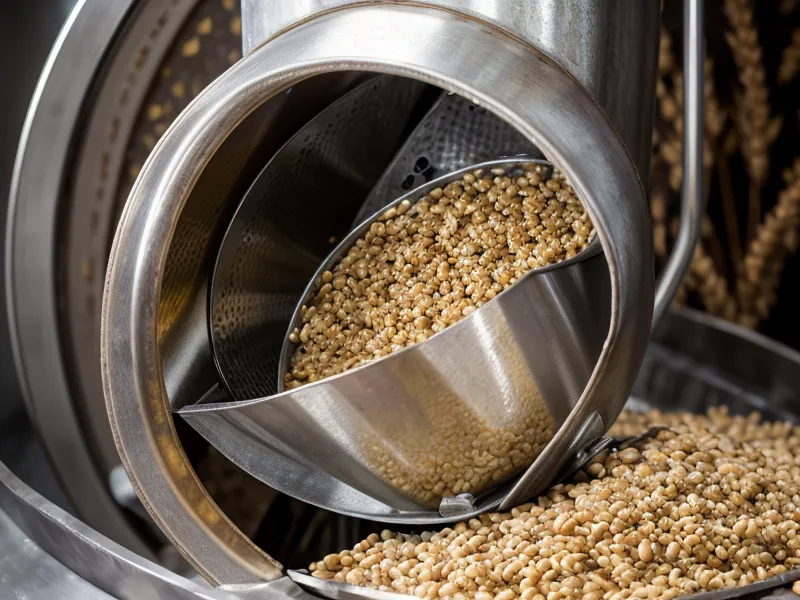
The mechanism is straightforward once you've felt it. Unlike a blender, which pulverizes grain, a burr mill shears it between two plates, and those plates run off the same square-shaft power hub that drives every other KitchenAid attachment. This is one piece of a much bigger attachment ecosystem — pasta rollers, sausage stuffers, the works — and the grain mill happens to be the one that punishes you fastest for treating every attachment the same way. Crank the dial to its finest setting and the motor has to work considerably harder to force wheat berries through that narrow gap, which is exactly where the heat comes from.
What Does Heat Do to a Fresh-Milled Batch?
Freshly milled flour still has its oily germ intact, which is the whole point, and also the reason it's fragile. That germ starts oxidizing the moment it's exposed to air, and heat from an overworked burr mill speeds that process along instead of slowing it down. I noticed the difference first in fermentation activity: grain milled cool and left slightly coarse fed a levain noticeably faster than the same grain ground to a fine dust while the mill was running hot. Heat is the same enemy in a mill that it is in a pan that can't hold even heat across its surface, push either one past what it's built for, and control is the first thing you lose.
Hard red wheat needs a sturdier pass through the burrs than a softer grain like rye or oats, and it tolerates the mill well as long as you're not trying to rush it into pastry-flour territory. That's a losing fight anyway. A KitchenAid attachment mill was never going to replicate a commercial roller mill's bleached-white fineness, and treating that as a failure of the tool misses what the tool is actually good at.
The Real Rule for Home Milling: Read the Flour, Not the Dial
I like a tool that tells you something through your hands instead of a screen, the same instinct that has me going back over a Vitamix tamper with a spatula until there's not a full spoonful of hollandaise left clinging to it before I'll call a sauce finished. The mill has its own version of that feedback: a small mechanical catch you feel through your thumb with every notch you nudge the dial up, flour worked into your fingertip by the time you're done adjusting it. Override that feedback in favor of chasing a number, and you'll miss the point every time.
So here's the actual rule, in place of the dial number: mill in small batches — four cups or less at a stretch — and stop the moment the flour feels cool rather than merely "fine enough." A stand mixer built to properly develop a wet, high-hydration sourdough dough won't save you if the flour going into it has already been cooked by an overheated burr. Not every well-built piece of gear delivers on its specific promise, either. I bought a Lodge Dutch oven specifically chasing better sourdough — gorgeous ears on every loaf, no argument there, but the thick, flat base ran hotter in the center than at the edges and left an uneven bottom crust that rotating the pot never fully fixed. Good materials, wrong shape for the job. The grain mill teaches a version of the same lesson from the other direction: excellent engineering that still has to be worked within its limits, not the limits you'd prefer it had.
The KitchenAid Power Hub and Its Limits
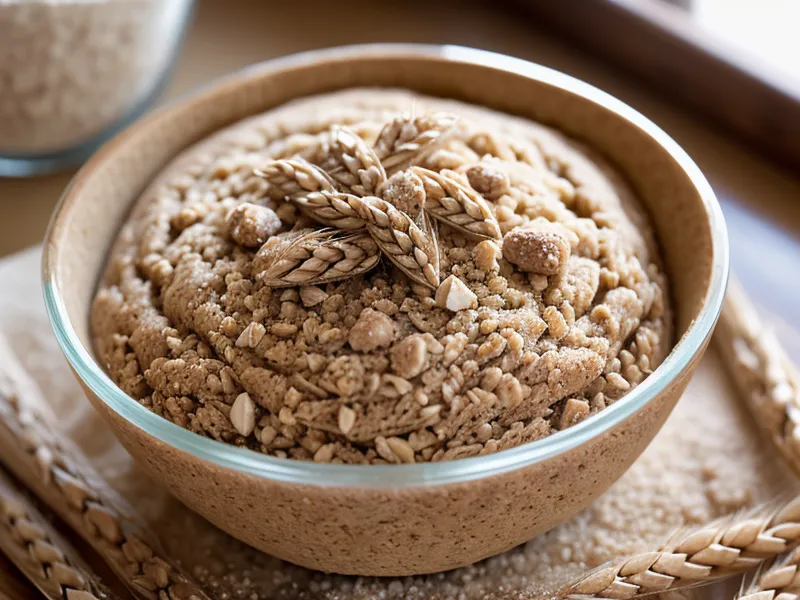
Credit where it's due on the hardware itself. The power hub's square drive shaft means the mill fits any KitchenAid stand mixer, tilt-head or bowl-lift, without an adapter (looking at you, every blender pitcher that gets "discontinued" the year after you buy it), and the mill body itself is stainless steel and heavy alloy rather than the lightweight plastic some attachments get away with. Cleanup is where these tend to end up in the return pile, and here it's genuinely more fuss than a pan: no dishwasher, no real soaking, just the small brush that comes in the box and a habit of clearing the burrs after every session so leftover oils don't turn rancid before the next batch. Flour dust gets into everything nearby no matter how careful you are.
There's a real price-performance gap between an attachment like this and the bag of all-purpose flour already sitting in most pantries — the same kind of gap I've measured between a cheap clone pan and a genuine All-Clad, real, but not a gap every cook needs to close. I don't trust a verdict on kitchen gear until it's survived months of actual, repeated use rather than one enthusiastic weekend, which is the same standard I'd hold a blender or a set of pans to before calling either worth the money.
Who Should Buy This — and Who Shouldn't?
The right call here depends entirely on what kind of cook you are. Someone baking one or two loaves a week has a completely different calculus than someone trying to provision a household's worth of flour in a single Sunday session, and matching the tool to that cook type matters more than any number printed on the dial. For the weekly sourdough baker who already owns a KitchenAid and wants fresher wheat, corn, rye, or even buckwheat without buying a whole standalone appliance, this attachment earns its space on the shelf. The best sourdough baking tools for home cooks tend to share that same trait: they reward patience instead of speed.
Skip it if you're milling in bulk, want a set-it-and-forget-it appliance, or are chasing a bleached-white pastry texture — none of those are what this tool is built for, and forcing it will only frustrate you and shorten the burrs' life. A standalone stone mill with an enclosed canister solves the mess and the batch-size ceiling, at the cost of counter space and a separate motor to maintain. Whichever way you land, respect the material and it returns the favor — the same principle behind learning how to clean All-Clad pans properly instead of scrubbing them like a cheap nonstick set. Grain mills reward the same kind of attention, dial number be damned.