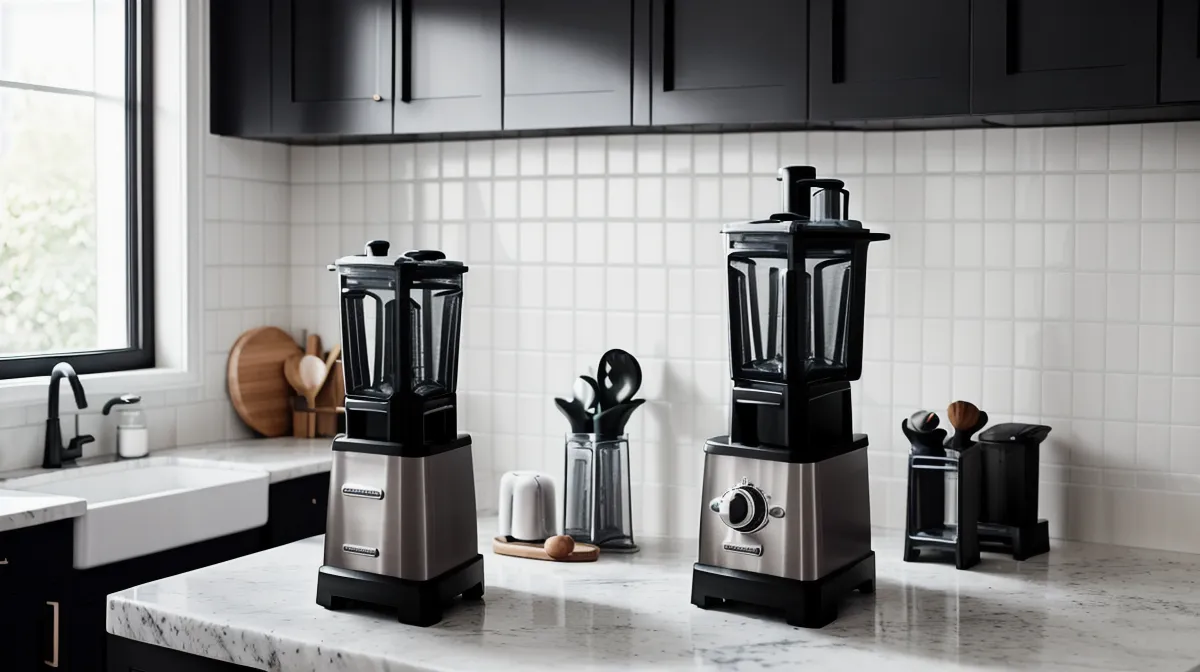
The variable-speed dial on my Vitamix Ascent A2300 has a groove worn into the plastic where my thumb lands every morning. That kind of wear doesn't happen on a high-speed blender you run with a button instead of your hand.
A quick disclosure before the comparison: most kitchen brand links on this site route through affiliate tracking, and if a purchase happens after you click one, I earn a small commission at no extra cost to you. I don't link to a machine unless it's earned a permanent spot on my counter — the Vitamix Ascent A2300 is one of maybe four pieces of gear in this kitchen that's cleared that bar.
The Dial vs. Blendtec's Presets
Six years of buying, returning, and rebuying kitchen gear has taught me one thing: a price jump doesn't automatically buy you more of what matters, and sometimes it buys you the wrong kind of better. I spent two weeks testing the Ascent A2300 against the Blendtec Total Classic before deciding, with both landing close to that same $400 mark, which is a serious amount of money for something that spins blades in a circle. The Blendtec looked like the smarter pick on paper (push-button presets that promise you can walk away and let the machine finish), and for a lot of kitchens, that's genuinely the right call.
Both machines have more motor than a basic smoothie will ever ask for. The real gap only shows up once you give them something that fights back, and in whether the preset quits before the texture is actually where you wanted it. When I'm emulsifying a lemon vinaigrette, I don't want a "smoothie" button; I want to start at the lowest setting on the dial and creep the speed up by hand until the oil and acid finally agree to stay mixed. The Blendtec, for all its power, behaves like it only has two settings: idling, or screaming.
The Cabinet-Clearance Problem Nobody Mentions
My upper cabinets sit about eighteen inches above the counter, which is standard for a kitchen this age, and that measurement mattered more than I expected. The Ascent's 64-ounce container is wide and squat, but the machine itself is tall enough that it doesn't slide under those cabinets without tipping the container forward to get it out, a detail nobody mentions until you're the one doing that little maneuver every single morning. My KitchenAid Pro 5 Plus has the opposite problem: it's 25 pounds with such a wide footprint that it never left the counter to begin with, cabinets or not. Matching a container's size to what you're actually blending, whether a single smoothie or a soup base for four, is its own small science, and the Ascent's container is built more for the latter.
Making Soup From Raw Ingredients
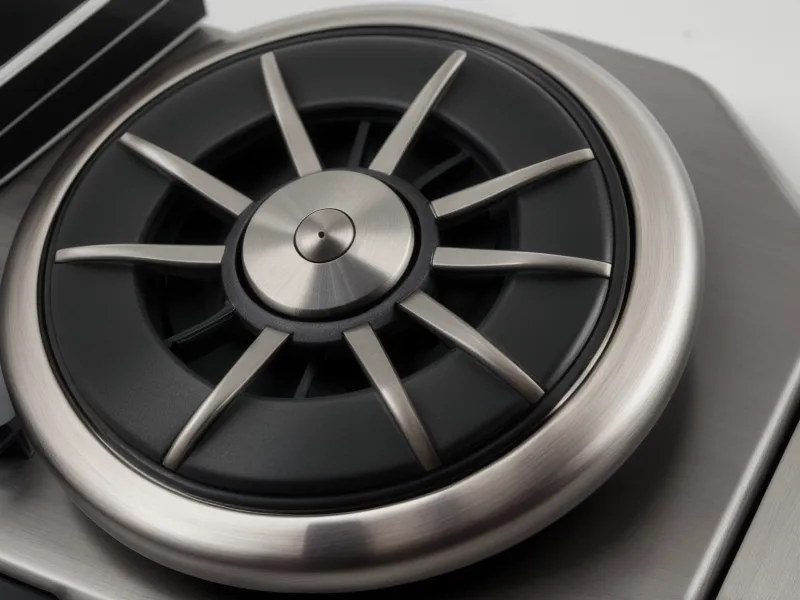
Short answer: yes, and the first time I tried it felt like a magic trick. I tossed in steamed broccoli, a hunk of cheddar, and hot stock, and because the blades spin fast enough to generate real friction heat, steam was rising out of the vented lid within a few minutes — no stove, no pot. A cheaper motor would have smelled like burning hair after four minutes of sustained high-speed running; the Ascent's radial cooling fan and thermal protection system just kept going. It's loud enough that a neighbor in a duplex would notice, but the soup came out smoother than anything I've managed with an immersion blender or a food processor. Keeping the blades from gumming up after a session like that is mostly a matter of not letting residue dry on them, which is the whole premise behind the Best Vitamix Cleaning Tips to Keep Your Blender Running Like New piece I put together after learning that lesson.
Heat tolerance is one of those specs that sounds trivial until the cheap version fails in your hand. I learned that the hard way with a set of Dollar Tree silicone spatulas that turned brownish and went stiff after exactly one round of high-heat caramel — they looked fine in the store and fell apart the first time I actually pushed them. The same logic applies to the KitchenAid: pull the dough hook out around the eight-minute mark on a stiff loaf, stretch a piece of the dough thin, and if you can see light through it without it tearing, the motor did its job; a weaker one bogs down long before that point. Pull a piece of dough off my butcher-block island at the end of a fold, for that matter, and it comes away clean, no drag left behind — that's the same kind of feedback the Vitamix dial gives you, just for liquids instead of gluten.
What the Tamper Solves (and What It Doesn't)
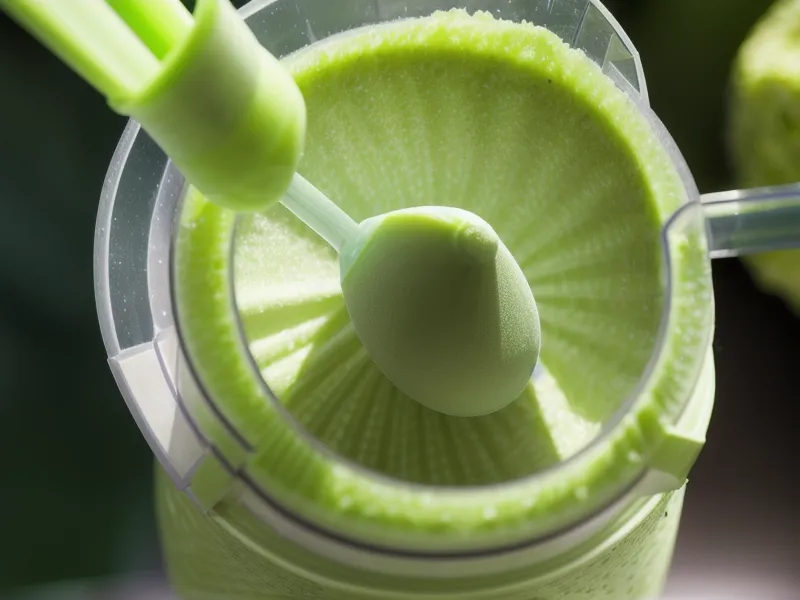
I used to think the tamper was a design flaw, wondering why a $400 machine would need me to physically push food into the blades. Then I made almond butter for the first time and hit cavitation, that moment where an air pocket forms around the blade and the machine just spins while the food sits untouched on top, going nowhere. The Blendtec's answer to this is a separate Twister Jar you have to buy on top of the base machine. The Vitamix's answer is a plastic stick you already own. It's low-tech, and it works — pushing stubborn almonds or a frozen chunk of banana into the blades while the motor's running turns a twenty-minute standoff into a five-minute job. I've started using the same trick to prep thick bases for the Magnifique claypot stews I've been testing lately, since that clay holds heat in a way that rewards a smoother starting puree.
Who Should Actually Spend the Money
Not everyone needs this. If your idea of a good morning is pressing one button and walking away to answer email while the smoothie happens, the Blendtec's presets are genuinely the better fit, and that's not a knock, it's just a different way of cooking. If you blend once a month, keep the $400 and buy a decent mid-tier model instead; you won't miss what you're not using. It's the same price-performance math I'd run on a set of stainless cookware — more money buys real headroom, but only for someone who's actually pushing the tool hard enough to need it.
For everyone else, the kind of cook who cares whether the cashew cream ends up truly smooth instead of just blended, the manual dial earns its price. The Vitamix Ascent A2300 has held a permanent spot on my counter next to the All-Clad pans on the pot rack above it for a while now, and this isn't a first-week impression; it's what the machine looks like after months of daily grinding, well past the point where a lesser motor usually starts complaining. (The All-Clad is its own rabbit hole: D3 versus D5 construction is a genuine argument, just not the one this article is having.) It shares a philosophy with my Challenger Breadware pan, a solid chunk of cast iron built on the assumption that you buy it once and stop shopping — the Vitamix is the electric version of that same bet.
Who This High-Speed Blender Actually Suits
A heatwave last summer had the Ascent running frozen margaritas and gazpacho most days of the week, and it never once stuttered or smelled hot. For the way I actually use a kitchen, messy and frequent with testing something new most days, the physical control on the Ascent beats the Blendtec's convenience every time, and that's the actual answer, not a hedge. If you're deciding between the two and daily use is the plan, the Ascent is where I'd put the money; if convenience matters more than texture and you're not blending every day, save it. Either way, the fuller case for daily use is in the Best Vitamix Blender for Daily Smoothies and Professional Meal Prep piece, if you want the longer version of this same argument.
| Product | Rating | |
|---|---|---|
| Vitamix Ascent A2300 Editor's Pick | 9.2 | Read More → |
| Blendtec Total Classic | 8.5 | Read More → |
| KitchenAid Pro 5 Plus | 8.9 | Read More → |
| Magnifique Claypot | 8.1 | Read More → |
Vitamix Ascent A2300
Pros
- ● Variable-speed dial offers granular control that presets can't match
- ● Low-profile 64 oz container fits under standard 18-inch cabinets
- ● The tamper is a low-tech solution that actually solves cavitation
- ● Built-in timer helps you track recipes without hovering
Cons
- ✘ Extremely loud at peak speeds
- ✘ Premium price point is a heavy lift for occasional users