
One evening last winter, I found myself hunched over the kitchen sink. I wasn’t scrubbing a scorched All-Clad pan; I was trying to whip a quick meringue for a pavlova. My husband was hogging the only island outlet with his elaborate espresso setup, and my 'dream' 1920s Craftsman kitchen, for all its renovated charm, was still a slave to the wiring.
Quick heads up: most of the brand links here, like those for KitchenAid or Vitamix, are affiliate links. If you buy something through them, I earn a commission at no extra cost to you. I only link to gear that has lived in my kitchen and survived my testing—including the stuff I’ve grumbled about while using it.
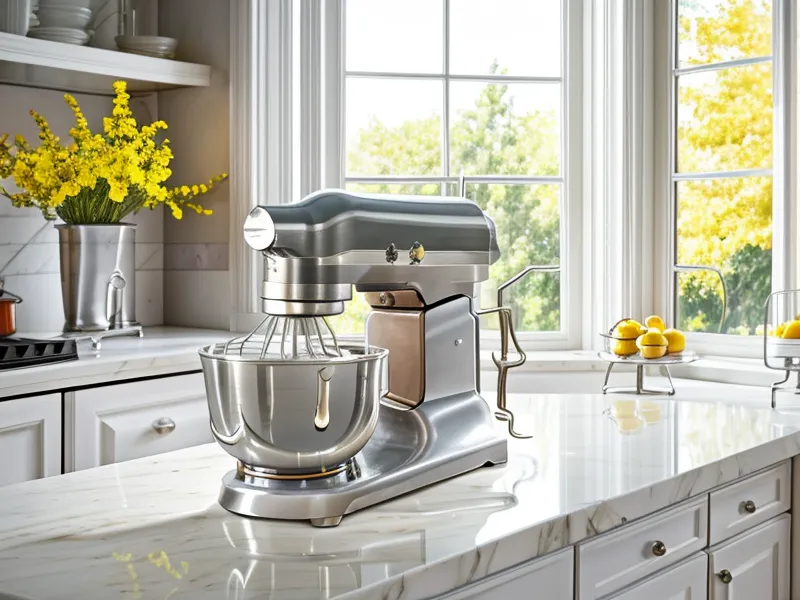
Living in a house built a century ago means you learn to work around limitations. I love my KitchenAid Pro 5 Plus, but that 25 lbs machine is a permanent resident on the far corner of my butcher block. It doesn't move. It can't. Not when it has to fit under a standard kitchen cabinet clearance of 18 inches and weighs nearly as much as a medium-sized dog. Sometimes, you just want to mix a batch of brownies on the dining table because the light is better for a photo, or because you want to talk to your guests while you work. That is where the cordless revolution actually makes sense.
The Reality of Cordless Freedom in a Craftsman Kitchen
I didn't think I needed a cordless hand mixer. I’ve spent years dodging the cord of my old corded model, occasionally dipping it into a bowl of pancake batter or knocking over a jar of cinnamon. I figured it was just part of the tax you pay for baking. But after that sink-pavlova incident, I started looking into the KitchenAid Cordless Hand Mixer. I wanted to see if a battery-operated tool could actually handle the heavy lifting, or if it was just a glorified milk frother.
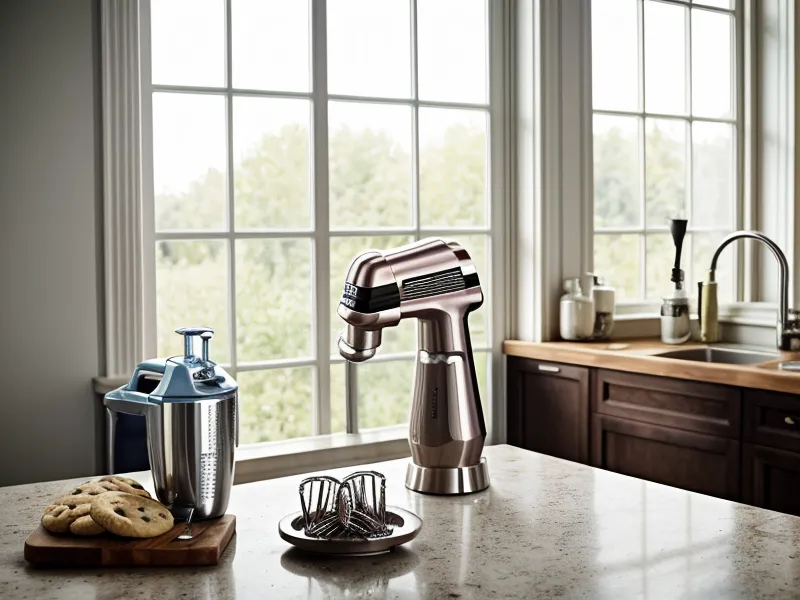
During the holiday cookie rush last December, I put it to the test. I was making three different types of dough simultaneously. Usually, this involves a logistical dance of moving bowls back and forth to the 'mixing station' by the outlet. With the cordless, I was prepping at the island, moving to the stove to check on a simmer, and then mixing right there on the prep space. It sounds minor, but the change in kitchen ergonomics is startling. You don't realize how much the 'cord-drag' dictates your movement until it's gone. No more worrying about the cord sweeping across the floured surface of my Challenger Breadware base while I'm prepping a sourdough batard.
The Power Gap: Cordless vs. The Pro 5 Plus
Let’s be real: no hand mixer, cordless or otherwise, is going to replace a 5-quart bowl-lift stand mixer for everything. When I’m deep into a Saturday sourdough bake, my Pro 5 Plus is the only thing I trust to handle a stiff, high-hydration dough without smoking the motor. A hand mixer—even a premium one—simply isn't designed for that level of torque. If you try to knead bread dough with a hand mixer, you're going to have a bad time and a very hot battery.
However, for the daily 80% of baking tasks—creaming butter and sugar, whipping egg whites, or mixing up a quick cake—the cordless KitchenAid is surprisingly capable. On a rainy Tuesday in April, I used it to cream cold butter for a batch of shortbread. I expected the motor to bog down. It didn't. It hummed through the process with a consistent speed that felt remarkably similar to a corded high-end model. It’s a far cry from the $40 Amazon clones I’ve tried in the past that sound like a blender full of gravel the moment they hit resistance.
The Tradeoff: Battery Weight and Wrist Strain
Here is the thing no one tells you about cordless gear: batteries are heavy. To get enough juice to run a mixer for a full holiday baking session, you need a substantial lithium-ion pack. This creates a measurable tradeoff that I noticed after about six months of weekend bakes. While the battery capacity gives you incredible endurance (I can usually get through four or five batches of cookies on a single charge), that extra weight is all in your hand.
If you are doing an extended folding task—say, incorporating flour into a delicate sponge cake for ten minutes—you will feel it in your wrist more than you would with a lighter, corded model. It’s not a dealbreaker for me, but if you struggle with carpal tunnel or just prefer a featherweight tool, you might find yourself switching hands midway through. It's the price you pay for not being tethered to the wall. It's a bit like my Vitamix Ascent; it’s a beast of a machine that earns its keep, but you have to respect the physical presence of the thing.
Who Should Go Cordless?
I’ve bought, returned, and rebought enough premium cookware to know that 'new' doesn't always mean 'better.' But for certain cooks, the cordless hand mixer is a genuine upgrade. If you live in an older home where outlets are a rare commodity, or if your kitchen layout has a 'dead zone' island without power, this is a game-changer. It’s also perfect for people who like to bake with kids or in social settings where you don't want to be tucked away in a corner.
On the flip side, if you already have a perfectly placed outlet and you mostly do heavy-duty bread baking, stick with your stand mixer. The ShopKitchenAid Pro 5 Plus is still the king of the counter for a reason. And if you're looking for something unique for slow-cooked stews rather than baking, you might find more value in something like the Magnifique claypot rather than another motorized tool.
After a year with the cordless setup, I’ve realized that the freedom of movement changed how I actually use my renovated space. I’m no longer hunched over the sink like a gargoyle. I’m mixing at the table, watching the rain through the window, and enjoying the process. Just make sure you remember to plug it in overnight before a big bake—nothing kills the mood like a dead battery halfway through a batch of buttercream.
For the current pricing and to see if it fits your specific kitchen workflow, you can check out the options over at KitchenAid. They often update the color lines, and occasionally you can snag a bundle that makes the cordless ecosystem even more tempting.
| Product | Rating | |
|---|---|---|
| ShopKitchenAid Cordless Hand Mixer Top Pick | 8.9 | Read More → |
| Vitamix Ascent Series | 9.2 | Read More → |
| All-Clad D3 Fry Pan | 8.8 | Read More → |
| Magnifique Claypot Oven | 8.1 | Read More → |
| Challenger Breadware Pan | 8.5 | Read More → |
ShopKitchenAid
Pros
- ● Total freedom from outlet placement in old kitchens
- ● Battery life easily handles 4-5 batches of cookies
- ● Motor is surprisingly quiet compared to cheaper corded rivals
- ● Stands up on its own to keep beaters off the counter
Cons
- ✘ Battery weight adds noticeable wrist strain during long tasks
- ✘ Not a replacement for a stand mixer with heavy bread doughs